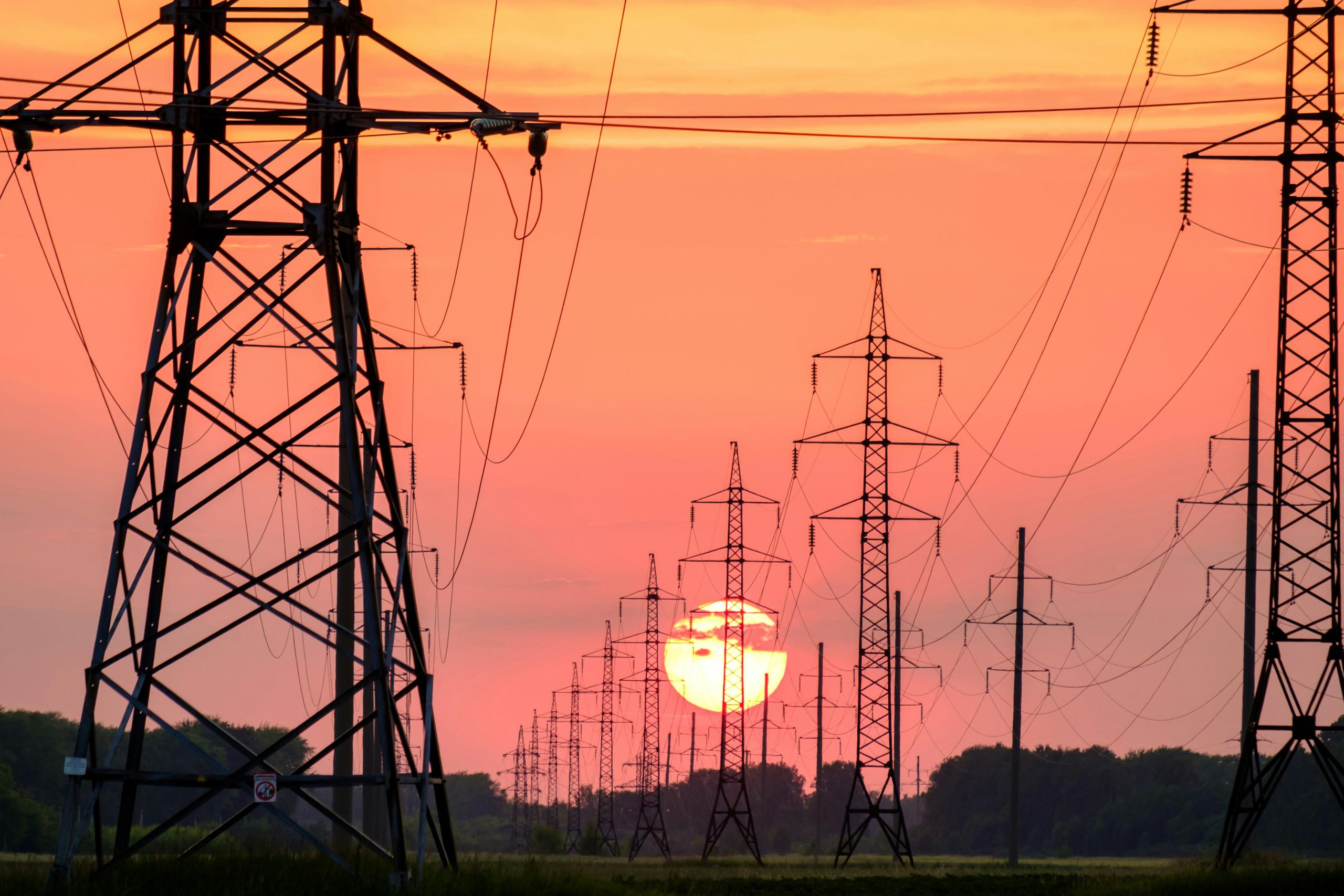
Estonian transmission system operator Elering is preparing a tender that could lead to up to eight new power plants being built across Estonia to help restart the electricity system after a major outage.
The tender is expected to be technologically neutral, allowing gas-fired plants, energy storage facilities, or a combination of the two to compete, writes Postimees Majandus.
Preparing the grid for faster recovery
Elering plans to purchase distributed system-restoration capacity rather than rely on a small number of large power stations. The approach would create a network of smaller facilities able to help restore the electricity system across several regions following a widespread outage.
The choice between gas plants, storage systems and combined solutions remains open. If gas-fired generation becomes the dominant option, Estonia’s annual gas consumption could increase by about 25%. Winter peak gas consumption could double compared with current levels, increasing pressure on the country’s gas infrastructure.
Gas currently enters Estonia via a pipeline from Latvia’s Inčukalns storage facility, passing through a gas metering station opened near Karksi-Nuia in 2020. The planned generation capacity would therefore have implications beyond the electricity market, particularly for gas supply and winter peak demand.
Strengthening the Estonia–Latvia connection
Alongside the power-plant tender, Estonia and Latvia are preparing a fourth electricity connection between the two countries. The proposed link would run offshore between Saaremaa and Latvia’s Kurzeme coast and is being assessed as a possible hybrid connection that could also link offshore and onshore renewable-energy production to the transmission networks, AST said.
The connection is being developed by Elering and Latvia’s transmission system operator Augstsprieguma tīkls. Its working capacity is 1,000 megawatts, and the project could be completed in the second half of the 2030s. The operators intend to seek co-financing through the European Union’s Connecting Europe Facility programme, and the project has been included in the EU’s Projects of Common Interest list.
The operators are carrying out technical and cost-benefit studies covering three possible connection points in Latvia and two in Estonia. Italian energy consultant CESI S.p.A. is conducting the technical study, while French company Artelys SAS is preparing the cost-benefit analysis. The studies are scheduled for completion in February and March 2026, respectively, with total costs of €244,000 shared equally by the two transmission system operators.
Priit Heinla, Elering’s head of offshore grid development, said the connection would increase transmission capacity, strengthen system reliability and support the integration of renewable energy into the Estonian and Latvian grids.
“The fourth Estonia–Latvia electricity interconnection increases the system’s reliability and stability and supports the integration of a larger share of renewable energy into the electricity networks of Estonia and Latvia, contributing to the achievement of the climate goals of both countries,” Heinla from Elering said.
Interested in investing in Estonia? Explore Energy opportunities. For tailored guidance, request e-Consulting from Invest Estonia’s advisors.