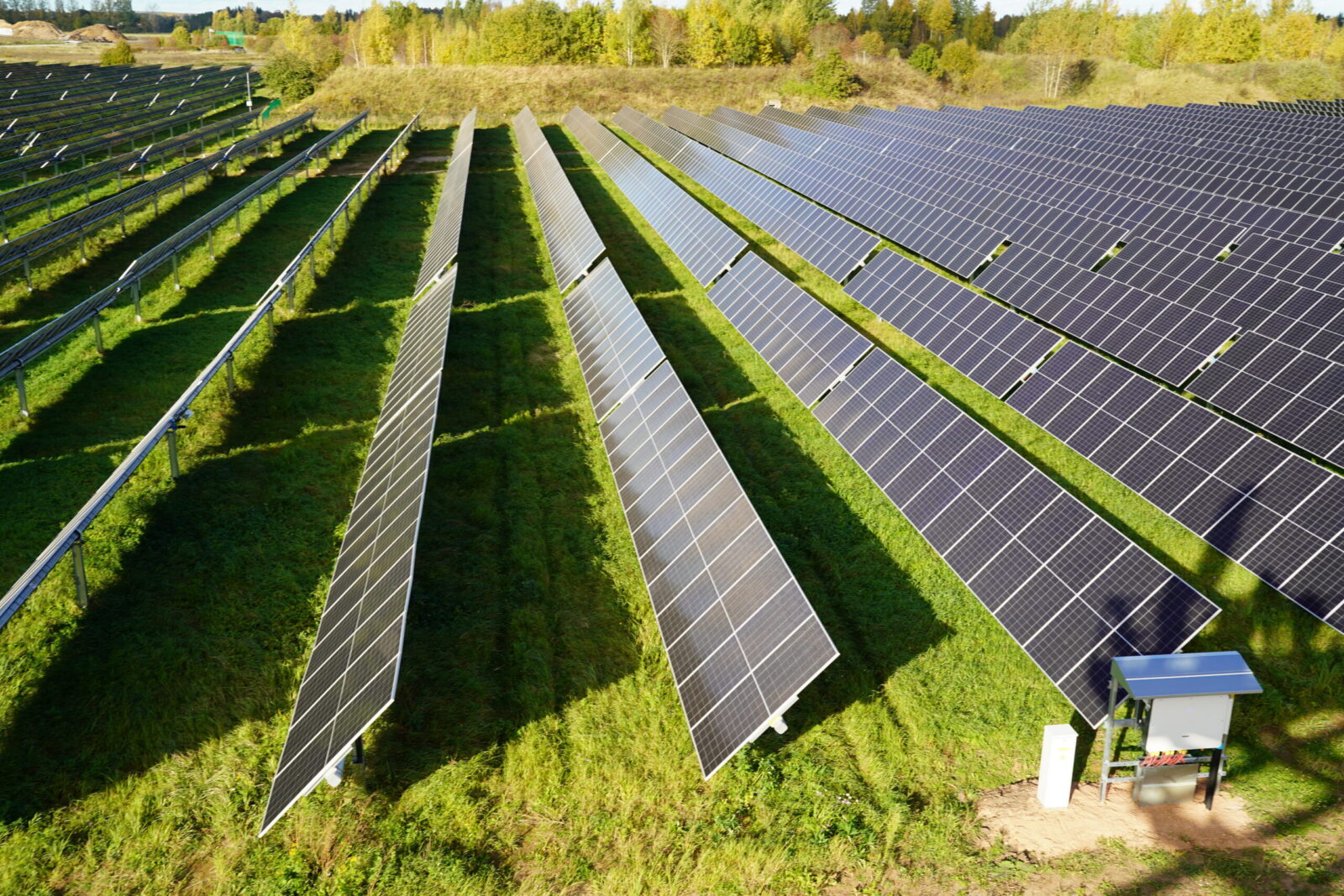
Estonian energy company Estiko Energia has opened a 74 MWp solar park at Raadi near Tartu following an investment of more than €40M.
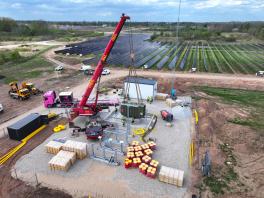
The park covers 106 hectares at the site of a former military airfield and includes 104,230 solar panels, 203 inverters, seven weather stations and 3.3 kilometres of service roads, Estiko said in a company release, writes Ehitusuudised.
Estiko expands its renewable-energy footprint
The project is one of Estonia’s largest solar developments and is designed to supply electricity to the national grid. Estiko Energia said the park can meet almost half of Tartu’s private consumers’ annual electricity demand.
A 20 MW battery storage system is scheduled to be added in February. The storage project is intended to support the company’s wider energy strategy, which includes using storage to manage changing electricity prices, smooth consumption peaks and sell power back to the grid during more valuable periods.
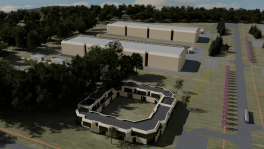
The Raadi development is the result of an almost eight-year process. During construction, the site was cleared of waste and brush, former military structures were removed, old tyres were disposed of and environmental contamination was addressed. Green areas were retained across the site to support local biodiversity.
Ain Tammvere, CEO of Estiko Energia, said the project had required work on a large and technically complex site. “This was a long process, during which we had to take into account both the characteristics of the area and difficult weather conditions,” Tammvere said.
Building a larger grid-connected facility
The solar park was developed in stages. The first phase, completed in summer 2024, was connected to the local distribution network. The larger second phase connects directly to Elering’s national grid through the Ülejõe substation.
The second phase uses movable tracking frames controlled by four weather stations. The panels turn east in the morning, south during the day and west in the evening. The longest rotating axis is more than 100 metres long, while the tracking system is expected to increase electricity production by around 20–30%.
“The technology is completely different this time,” Tammvere said in Estiko’s earlier account of the construction. The company has also said that the tracking system allows the park to begin generating electricity earlier and continue later, when demand and prices are higher.
Estiko Energia has built 13 solar power plants across Estonia with a combined capacity of 2.3 MW. The electricity from its plants is supplied to end consumers, the grid and Estiko Group companies through direct lines.
The company’s Raadi investment adds a large-scale generation asset to that portfolio while creating a platform for further energy projects at the former airfield site. Estiko said the next stage will be the battery storage system, although its plans for Raadi extend beyond solar generation and storage.
Interested in investing in Estonia? Explore Energy opportunities. For tailored guidance, request e-Consulting from Invest Estonia’s advisors.