The new StartupBlink Global Startup Ecosystem Index is out, ranking world’s best startup heavens. Estonia has been placed 12th, one rank lower than last year. But a single-place slip is less a cause for concern than a measure of how competitive the upper reaches of the rankings have become. The country recorded ecosystem growth of 8.8% — and finished with a total score of 33.437, within 1.5% of France in 11th place.
The report, published annually, ranks startup ecosystems across countries and cities worldwide using a composite methodology that includes ecosystem maturity, visibility, and the business environment for innovators.
Region’s undisputed leader
Despite the marginal global slip, Estonia’s regional dominance is unambiguous. It holds first place in Eastern Europe and tops the Baltic states, with Lithuania next in the region at 22nd — a gap of ten places. Estonia also ranks 5th in the EU overall, and sits 10th globally in the Innovators Business Environment Index, a measure of the structural conditions that support entrepreneurship.
Two functional category rankings round out a strong picture: 5th globally for Ecosystem Maturity, reflecting a solid record of scaled exits and internationally recognised companies, and 5th for Ecosystem Visibility, a marker of how well Estonia’s ecosystem is known and respected abroad. Fintech remains its strongest sector, ranked 10th in the world.
Vaido Mikheim, Managing Director of Startup Estonia, pointed to the ecosystem’s execution culture and the growing momentum in defence tech. “AI is reshaping how our startups build and scale, while defence tech has emerged as an area of serious momentum,” he said, adding that founder execution culture remains a core strength. Liina Vahtras, Managing Director of e-Residency, says the structural advantages of Estonia’s digital state serve as a foundation for founder-friendly growth. “Estonia is designed for entrepreneurs who want to build without friction,” she says.

Liina Vahtras, Managing Director of e-Residency and board member of Enterprise Estonia
Tallinn and Tartu
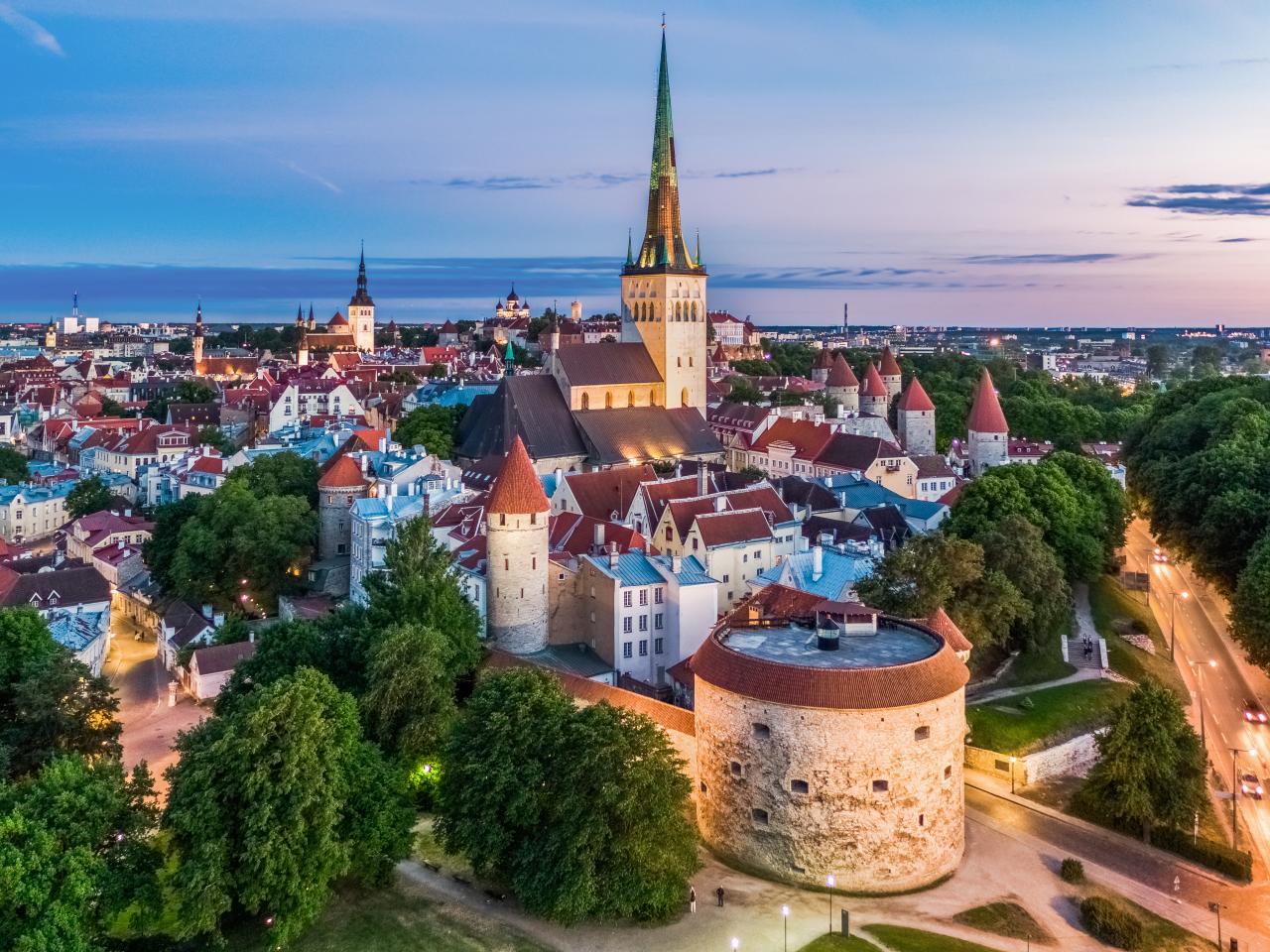
At city level, Tallinn dropped four places to 53rd globally but retains its position as the top-ranked city ecosystem among EU member states in Eastern. Tartu, the country’s second city, fell nine places to 421st despite recording 18.5% growth, as the global competition tightens. With a population of under two million, building stronger secondary hubs is described as Estonia’s “clearest structural priority.”

Tartu’s Christmas market
A year of global acceleration
Globally, 2026 has been a year of accelerating growth, with the average ecosystem expanding by 10.3%. The United States retains first place with 23.6% growth, extending its lead over the United Kingdom to nearly four times. Singapore continues its rise, leading the top 10 in growth at 24.4%. The Middle East and Africa were the fastest-growing regions overall at 20.2%, with Riyadh’s 117.6% expansion drawing particular attention.
Europe, by contrast, trailed the global average significantly, growing just 7.3%. Major capitals including Paris (−3.2%) and Berlin (−2.6%) recorded negative growth, pulling down the regional aggregate. Within the EU, no country features in the global top five, and France — Estonia’s nearest neighbour in the rankings — fell three places to 11th on the back of the second-lowest growth rate in the top 20.
Estonia’s 8.8% growth holds up well against this European backdrop. The report notes that France, the Netherlands (10th), and Estonia are now tightly clustered in total score — within a narrow enough band that shifts in any direction are plausible for 2027.
For a country of Estonia’s size, consistently sitting among global best — ahead of South Korea, Japan, and every other EU member outside its largest economies — remains a big achievement. The challenge now is less about defending that position than widening the base that sustains it.
Wish to dive into Estonia’s business environment? Use our comparison tool and find your niche.