When we say defence, we mean business. If you want to invest in a more secure world, get in touch through our e-Consulting service and let’s find you the right investment opportunity.
When it comes to safety, Estonia is not skipping any steps. It has been Ukraine’s top supporter in recent years and a model NATO ally, and it is now ready to significantly increase military spending to deter any potential threat.
This week, the country has announced a comprehensive military modernisation plan worth €10B spanning 2024-2029. Defence Minister Hanno Pevkur says that this investment will create “a modern Defence Forces that will work closely with our allies to strengthen deterrence.” It will cover everything from ammunition stockpiles to air defence systems and enhanced territorial defence capabilities.
The new budget will be allocated across several priority areas:
- 37% for procurement of new military equipment and systems
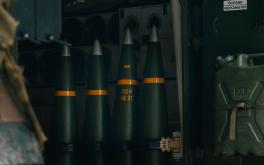
- 25% for ammunition stockpiles and munitions
- 14% for personnel costs as active-duty forces expand
- 13% for operating expenses
- 5% for infrastructure development
- 3% each for intelligence/early warning and Defence League support
Strategic infrastructure and investments
Estonia will establish a dedicated Air Defence Brigade and create a multi-layered defence system using world-class and battle proven syste, such as IRIS-T, Piorun, and Mistral systems. The country is also conducting market research for ballistic missile defence capabilities. Some of Estonian most-promising startups are now building cost-effective defensive solutions, including autonomous systems and more affordable AD missiles.
The plan also focuses on engaging adversaries before they reach Estonian territory, with firepower capabilities extending beyond 300 kilometres. This includes doubling HIMARS units, acquiring additional K9 and Caesar artillery systems, and considering domestic cruise missile production.
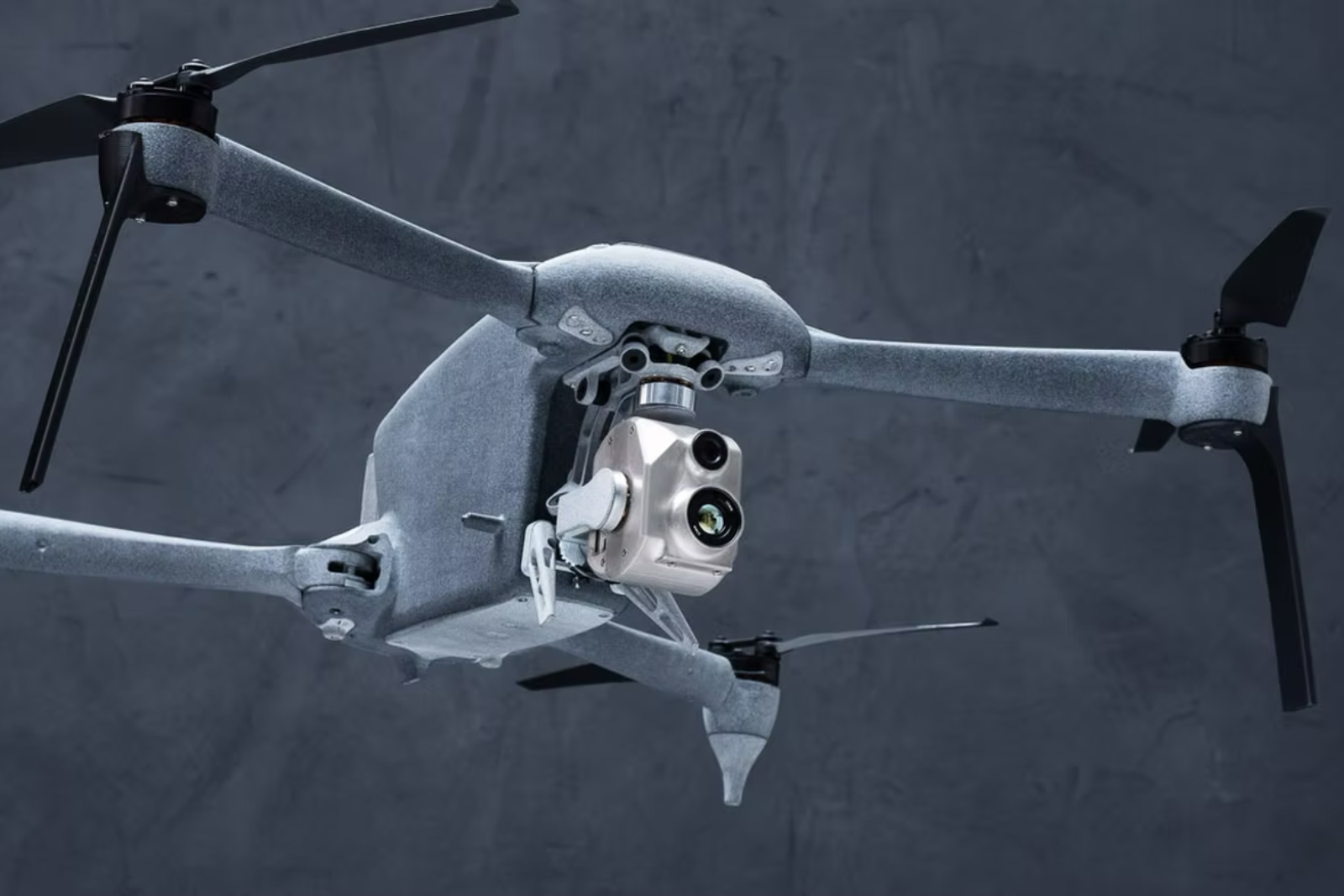
Up to €150M will be dedicated to comprehensive drone capabilities, including detection, countermeasures, strikes, reconnaissance, and surveillance systems integrated from squad to division levels. A lot of this will be covered by domestic production — the Estonian drone industry is on the rise, with some manufacturers tripling their sales and luring lucrative acquisition offers.
The army will not only become more tech-savvy but also grow in numbers. Estonia aims to increase its active-duty personnel from current levels to 4,400 by 2030. The Estonian Defence League will receive €314M over four years.
The plan includes developing the Baltic Defence Line, completing the Narva garrison, and potentially establishing a forward command post in Pärnu for the German-Dutch corps.
Estonia is also creating a defence industrial park, with eight companies already shortlisted for participation. It has allocated €50M for this project, and offers a fast-track process and investment incentives for manufacturers of all sizes.