Estonian industrial technology company MuRay has raised €7M in its first major investment round to develop imaging technology based on artificial muon radiation.
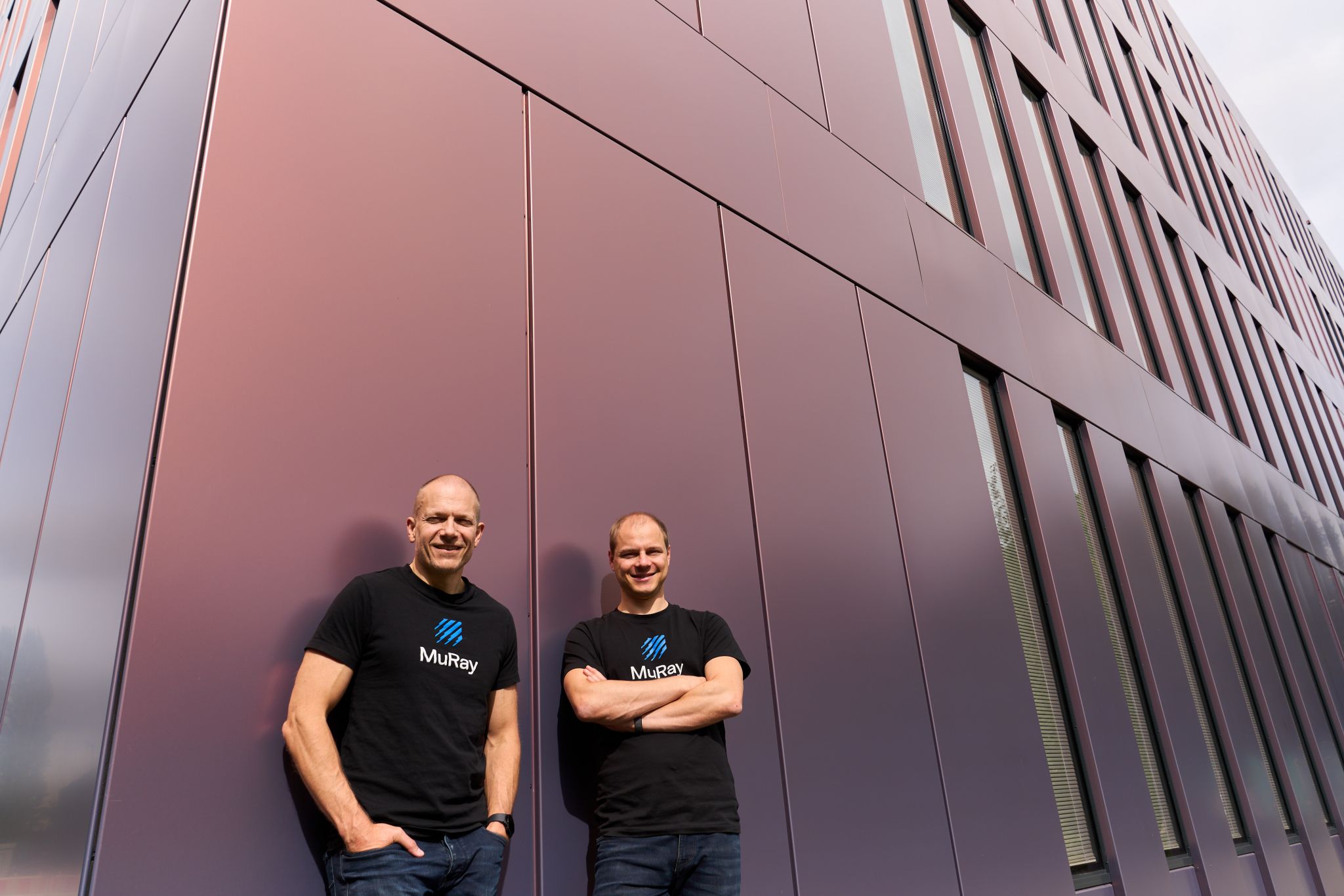
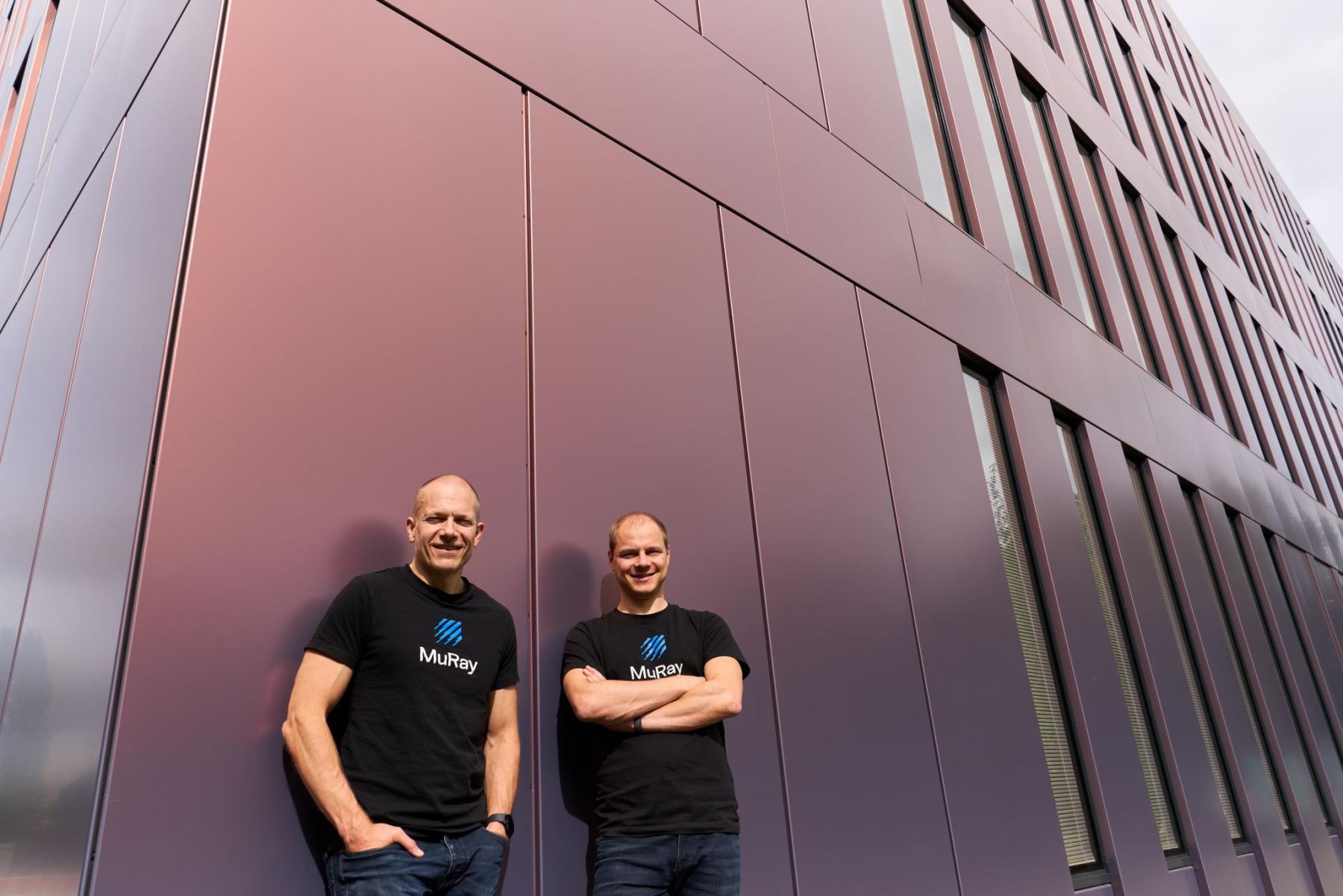
MuRayTech is developing the technology for quality control inside metal components and other dense materials, writes Äripäev. The company was founded by Andi Hektor, co-founder, and Kristjan Põder, co-founder and scientist.
MuRay is bringing artificial muons into industrial inspection
MuRayTech combines laser, plasma and muon technologies to create a compact source of artificial muon radiation. Muons can pass through materials more effectively than conventional X-rays, allowing users to examine the inside of large or dense objects without dismantling them.
The company is targeting industrial quality control and medical diagnostics. Potential industrial applications include detecting defects in metal components, where more powerful imaging could support the inspection of complex parts used in aerospace, energy, automotive and other high-value manufacturing.
The technology could also be used to inspect components such as 3D-printed rocket engines and turbines. In medicine, MuRayTech is developing the technology as a potential alternative for applications where a safer imaging method would be useful.
Building an international deeptech platform
The investment gives MuRayTech additional capital as it works to turn its research into an industrial product. The company is an Estonian deeptech startup with operations connected to Tallinn, Hamburg and Cambridge.
MuRayTech has grown out of the Estonian deeptech company GScan, which uses naturally occurring muons for the inspection of critical infrastructure and cargo containers. MuRay’s earlier work on artificial-muon imaging is also described in its advanced-imaging development.
The company is working with the University of Cambridge to bring medical-technology expertise into its development and strengthen its presence in the United Kingdom. Põder leads a research group focused on applications for laser-plasma accelerators at the DESY research centre in Hamburg, placing the company close to potential industrial users in Europe.
MuRayTech’s approach is based on replacing the large and costly equipment traditionally associated with particle acceleration with a much smaller plasma chamber. The company is still addressing the engineering challenges involved in making the system practical and identifying suitable development partners, while competing in an international race to commercialise compact artificial-muon sources.
Interested in investing in Estonia? Explore Industrial R&D opportunities. For tailored guidance, request e-Consulting from Invest Estonia’s advisors.