Do you wish to invest in Estonia’s next success stories? Use our 1:1 e-Consulting service to get started.
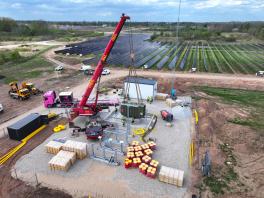
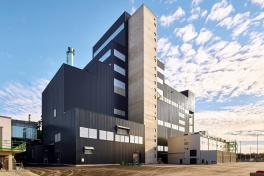
Despite its compact size, Estonia is now making big moves in Energy technology, as its startups move into the scale-up category. Founded in Tallinn, Skeleton Technologies just opened one of Europe’s most advanced supercapacitor plants in Leipzig — and the timing couldn’t be better.
The €220M facility is the largest recent industrial investment from Estonia into Germany, and a perfect showcase of how innovations and strong industrial traditions could merge. Think of supercapacitors as the emergency responders of the electrical grid. When power surges or drops happen, they react in milliseconds—far faster than traditional batteries. CEO Taavi Madiberk calls them “a seatbelt for a grid with more and more renewables.”
As Europe adds more wind and solar power, the grid becomes more volatile. The challenges are already evident, with spring’s widespread power outages in Spain and Portugal making headlines. That’s exactly the kind of crisis Skeleton’s technology prevents. Their systems already serve as last-resort safeguards for German grid operators, plus energy giants like Siemens, GE, and Hitachi. Their mission, as Madiberk puts it, is simple: “Keep the lights on in Europe.”

Expanding the horizons
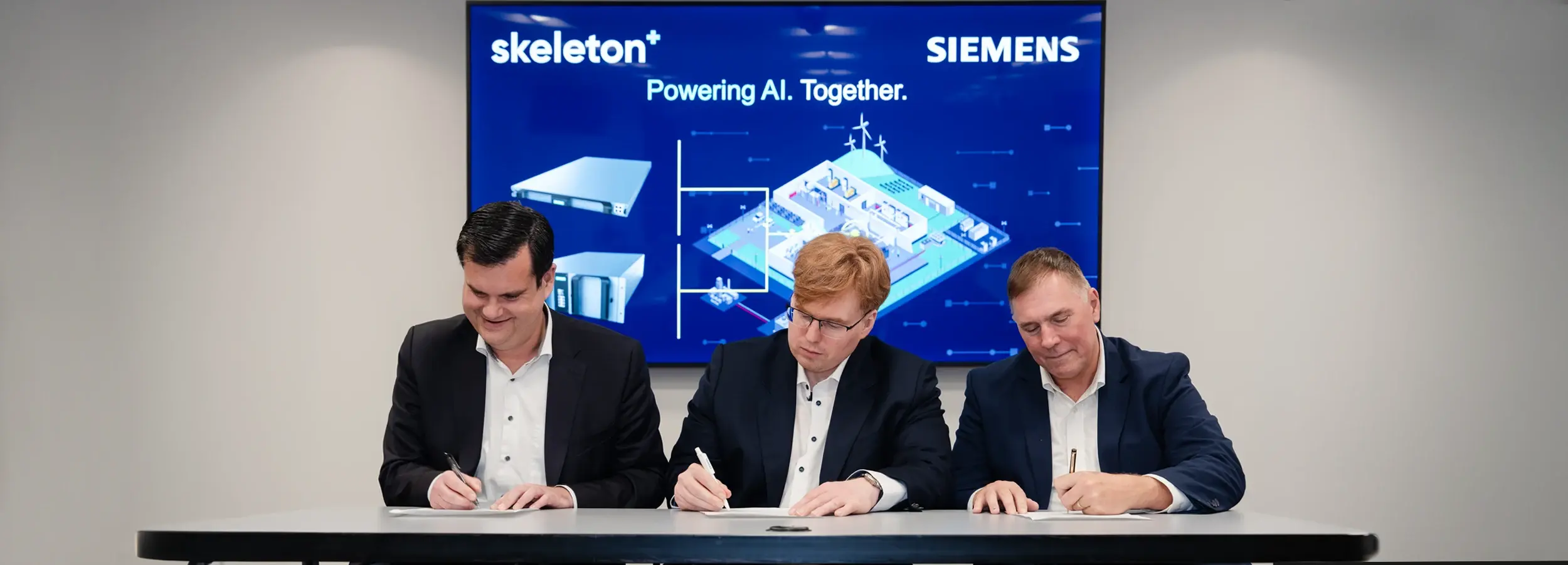
But Skeleton isn’t just focused on Europe’s grid. They’ve found a lucrative second market: America’s exploding AI infrastructure. Its GrapheneGPU solution helps AI data centres reduce peak power loads by up to 44% and boost computing capacity by 40%, which is a critical advantage when training large language models or running massive computational workloads.
US companies are expected to invest $330 billion in AI data centers in 2026. Europe? Barely $10 billion. Skeleton is positioning itself to capture value from America’s AI boom, now with the help of skilled German workers too.
Founded in 2009, Skeleton now employs over 300 people worldwide, with plans to grow its German workforce to 420. The company also operates production facilities in Finland.
Estonian Prime Minister Kristen Michal, attending Friday’s opening, framed it as proof that Estonian firms can “develop and produce next-generation tech themselves — AI and clean-energy solutions.” Not bad for a country of just 1.3 million people.