Estonian passenger rail operator Elron is set to begin running new Škoda electric trains between Tallinn and Tartu from 1 February, after infrastructure work on the route is completed in mid-January.
The rollout is linked to the final stage of railway modernisation and will shorten the Tallinn–Tartu journey to less than two hours, Elron said in a company release.
A faster connection to Tartu
Travel times on the Tartu route are expected to improve in stages, writes Postimees Majandus. Services can take up to two and a half hours during November, before the journey begins to shorten in December. From mid-January, the Tallinn–Tartu trip is scheduled to take one hour and 55 minutes.
The fastest trains are expected to complete the route in one hour and 45 minutes from the summer of 2027. The shorter journey will follow the replacement of the railway traffic-control and safety system along the Tartu route, alongside electrification and other infrastructure upgrades.
Infrastructure operator Eesti Raudtee is carrying out the work station by station while keeping the railway open. The sequence includes Nõmmküla, Tamsalu, followed by Rakke, Vägeva, Pedja and Jõgeva, then Kaarepere and Tabivere. Work at Kärkna and Tartu is scheduled for January 2027.
“We will begin introducing the new Škoda electric trains onto routes gradually, in line with the infrastructure’s capabilities,” Märt Ehrenpreis, Elron board member, said. “The Tallinn–Tartu line will be served once the infrastructure work is complete.”
A fleet investment supporting wider services
Elron ordered 16 new electric trains from Škoda Group at a total cost of €146.8M. The purchase is financed through Estonia’s state budget and the European Union’s Modernisation Fund.
Eleven of the trains are long-distance units intended primarily for the Tartu and Narva routes, while five are commuter trains.
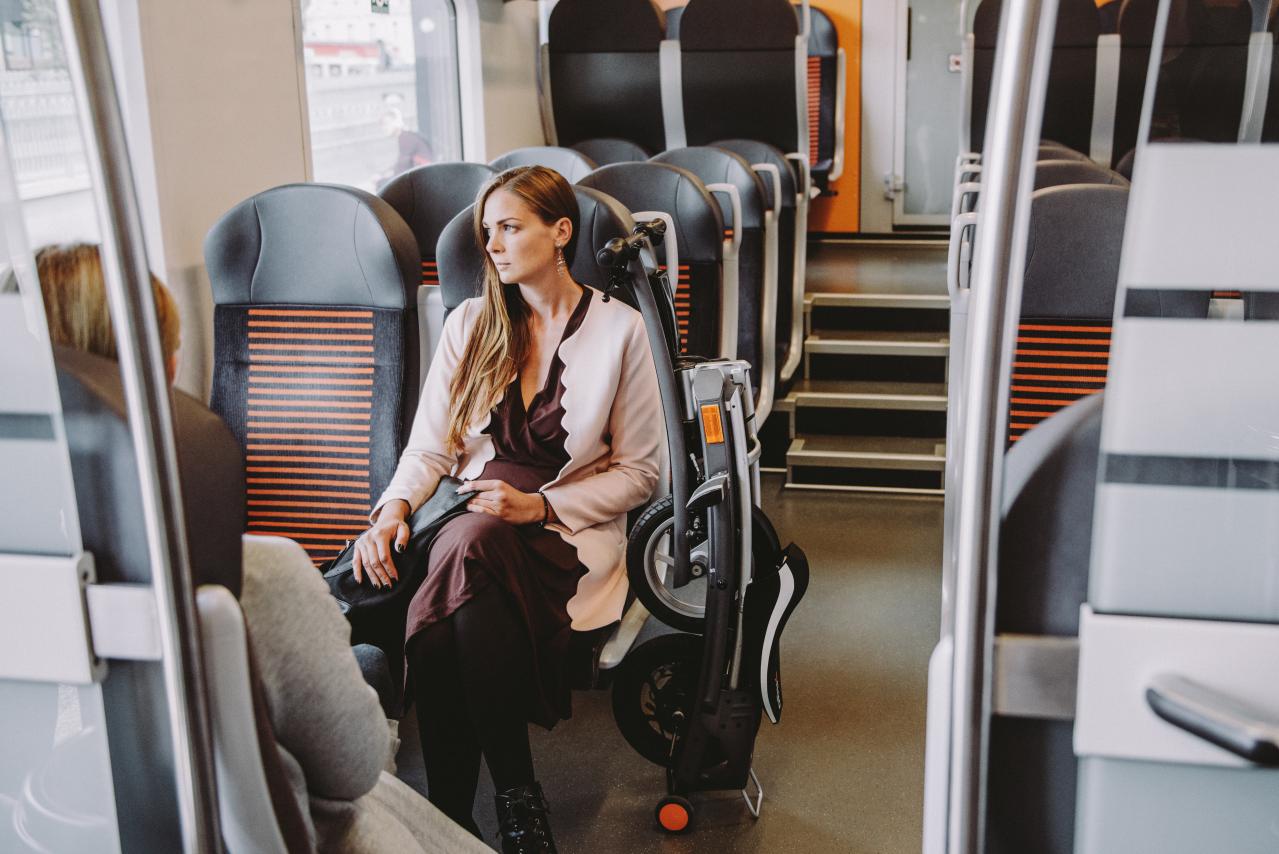
The long-distance trains have 236 seats, two business-class sections, a café area, 15 bicycle spaces and two wheelchair spaces. The commuter trains have 262 seats, standing space for 356 passengers and 15 bicycle spaces. Both train types have a maximum speed of 160 kilometres per hour.
The additional electric trains will also allow Elron to move existing diesel trains to other routes and increase service frequency elsewhere in Estonia. On the Narva route, travel time is expected to fall to two hours and seven minutes in November, below two hours from January 2027 and to one hour and 50 minutes from June 2027.
Until the Tartu works are finished, passengers will need to monitor changing timetables in the construction areas. Eesti Raudtee said changes are expected to be measured in minutes rather than hours, with any schedule changes communicated to Elron for passenger updates.
Interested in investing in Estonia? Explore business opportunities in Estonia or request e-Consulting from Invest Estonia’s advisors.