Want to be a part of Estonia’s next big thing? Send us a request for 1:1 e-Consulting and get ready to make the smartest investments of your life.
For a country of 1,3M people, Estonia certainly punches above its weight in the technology sector. But just how much exactly? This year, the Estonian-founded, London-based money transfer company Wise has claimed the top spot in Estonia’s 2025 TopTech ranking with a valuation of €12.5B, cementing its position as the country’s most valuable technology enterprise.
The annual ranking, compiled by mergers and acquisitions advisory firm Prudentia Tallinn in partnership with Siena Secondary Fund, shows other world-famous scale-ups dominating the upper ranks. Ride-hailing and delivery platform Bolt secured second place with a valuation of €8.9B, while sales CRM software provider Pipedrive rounded out the top three at €2.2B.
Diversity in play
Yet there’s more than three giants. The combined value of the country’s 30 most valuable tech companies has skyrocketed to €27.7B, a massive 35.2% increase over just two years.
Some sectors are growing way faster than average. DefenceTech led the charge with an impressive 106% year-on-year increase, followed closely by FinTech at 97% and B2B SaaS at 48%.
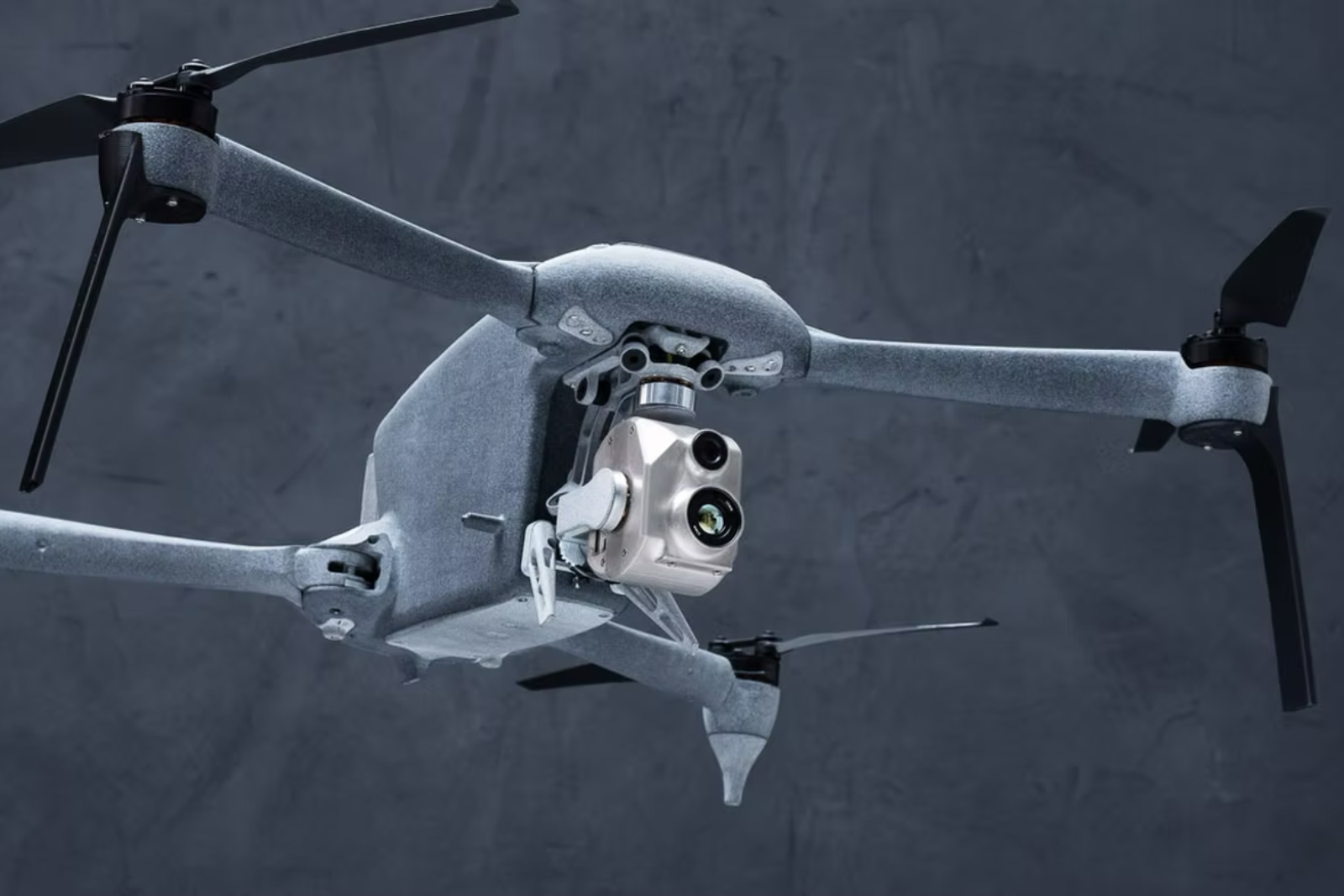
Blackwall (formerly Botguard), a cybersecurity company, achieved the highest growth rate at 295%. Defence technology company Threod surged 257%, while Pactum, an AI startup specialising in autonomous commercial negotiations, grew by 222%.
Pactum received special recognition this year, earning the TopTech special award for its internationally successful AI-driven contracting solutions. The company represents a new wave of Estonian tech companies from the AI industry — and it has already raised tens of millions in investments and secured Tier-1 clients from all over the world.
Global appeal
Another benefit of Estonia is its openness to international talent. “Through the e-Residency and Startup Visa programmes, foreign founders have added momentum to our ecosystem—through investment, mentoring and recruitment, often across borders,” explained Rando Rannus, partner at Siena Secondary Fund. “Their global connections turn our tiny country’s constraints into a competitive advantage, enabling our startups to expand around the world.”
Rannus pointed to success stories like Verge Motorcycles, Glia, and Modash — all founded in Estonia by foreign entrepreneurs with global mindsets — as examples of this international approach paying dividends.
The TopTech ranking evaluates fast-growing technology companies that meet specific criteria: they must have at least one Estonian founder, or be registered and headquartered in Estonia, or employ at least 20% of their workforce in the country. Valuations are determined through various methods.