Want to be a part of Estonia’s next big thing and invest in the frontier opportunities? Send us a request for 1:1 e-Consulting to get started.
Estonia’s strategic location as the gateway to Europe brings more and more opportunities, and this time the country is becoming Europe’s satellite communications hub. According to their press-release, Globalstar has begun construction to double the size of its ground station facility in Estonia, marking a significant investment in European emergency communications infrastructure.
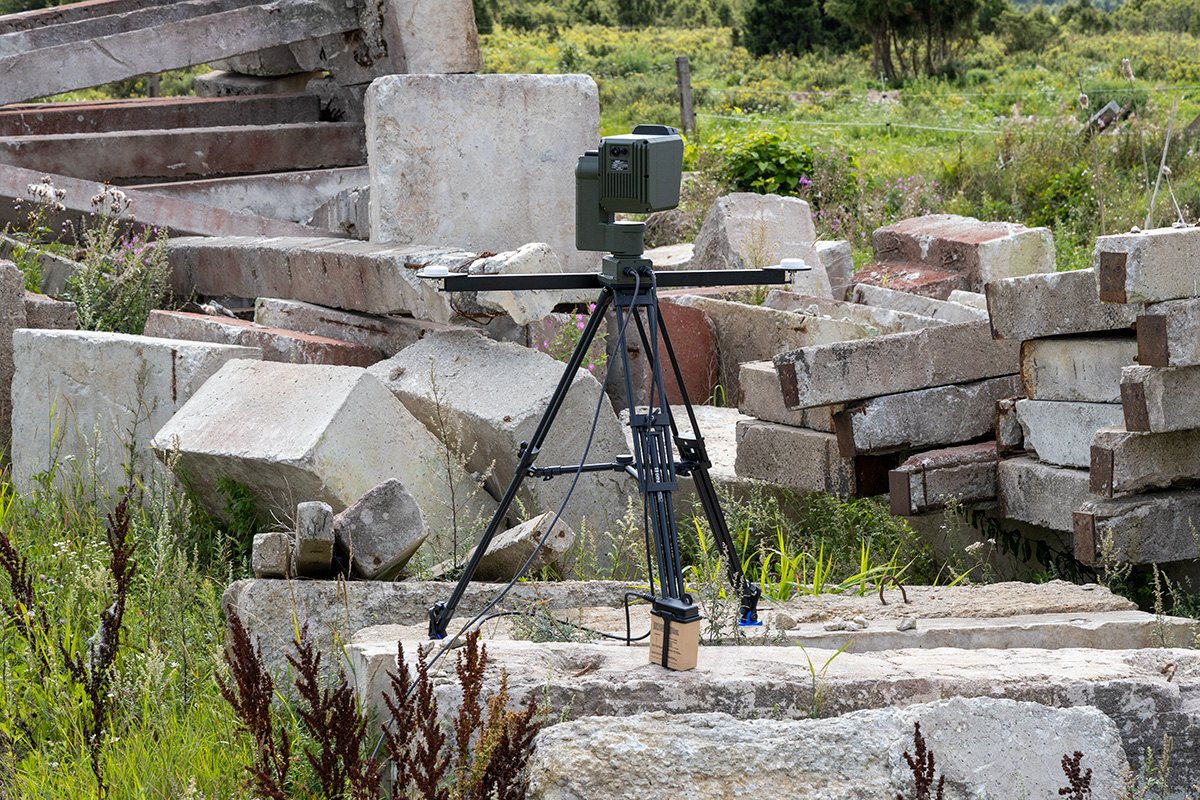
The $9M project will add three new 6-meter tracking antennas to the existing facility in Kilingi-Nõmme, West Estonia, bringing the total to six antennas. The original ground station was built in 2021 with support from Invest Estonia and the U.S. Embassy in Tallinn.
Estonian contractor AS Connecto Infra will handle the design and construction of the expansion, which supports Globalstar’s third-generation C-3 satellite system.
Why this matters
Ground stations are essential infrastructure for satellite communications – they serve as Earth-based connection points that relay signals between satellites orbiting overhead and terrestrial networks. Globalstar’s Estonian facility, along with similar stations in Greece, Spain, and France, enables critical communications services across Europe.
The expansion comes as satellite connectivity becomes increasingly vital during emergencies when traditional cell towers and internet infrastructure fail. Recent examples include:
- Wildfire evacuations where ground networks are damaged
- Hurricane aftermath when power grids collapse
- Urban power outages that disable cellular coverage
One of the key services supported by these ground stations is emergency SOS functionality, which allows people in remote areas or disaster zones to send distress signals via satellite when no cellular coverage is available. This technology has proven crucial for search and rescue operations and emergency response.
The Estonian expansion is part of Globalstar’s worldwide infrastructure build out, which includes up to 90 new tracking antennas. The company operates a constellation of low-earth orbit (LEO) satellites that provide coverage where traditional telecommunications infrastructure cannot reach.
“These facilities provide wireless communications via satellite to people across Europe who would otherwise be unconnected during times of emergency or crisis,” said Külli Karu, Deputy Mayor of Saarde municipality, where the ground station is located.