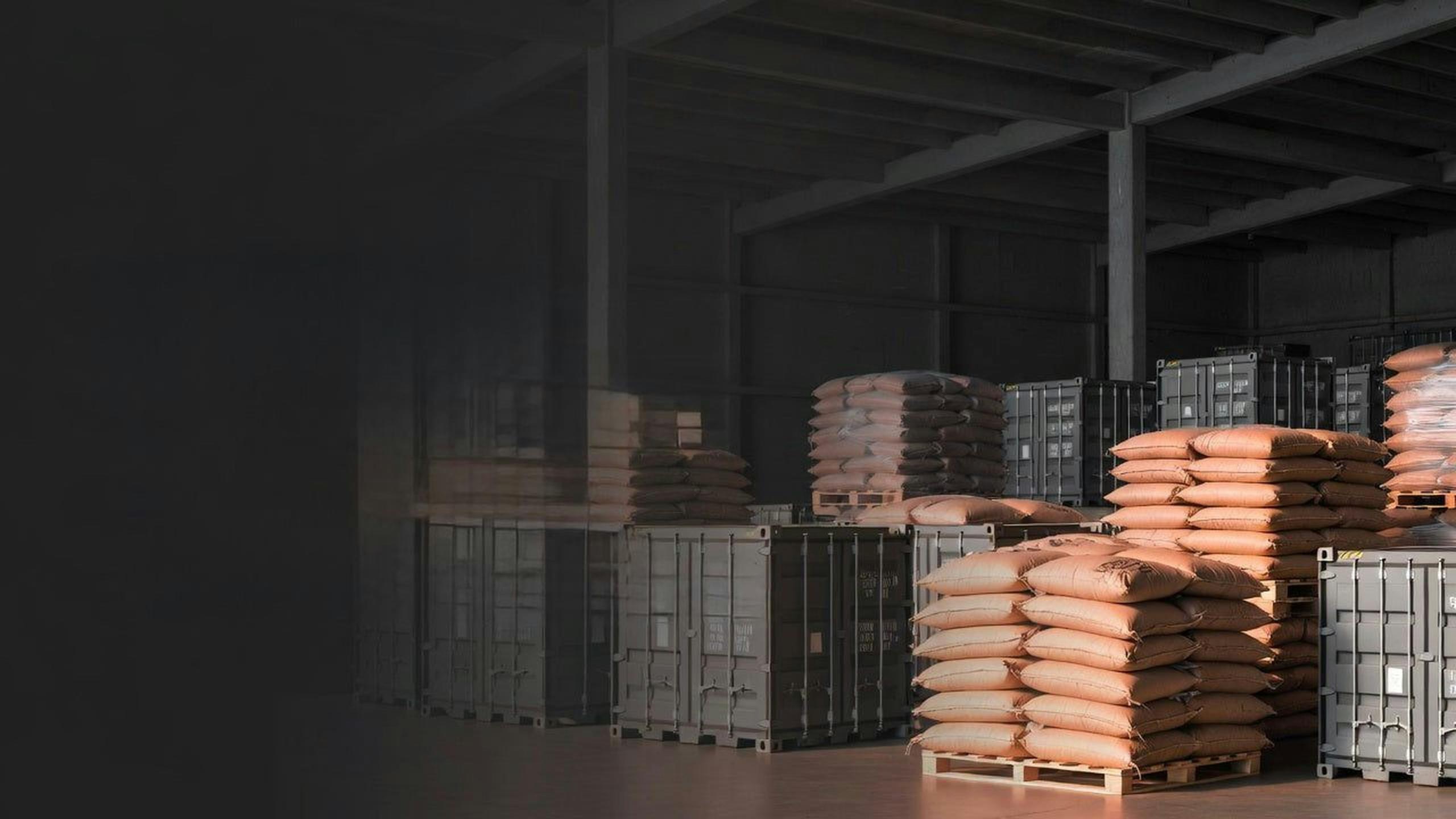
Grid storage keeps getting more strategic for the Baltics, and Estonia just added another 100 MW to its arsenal. On Tuesday, the Hertz 2 battery storage park in Aruküla, just outside Tallinn, went fully online, according to ERR. Hertz 2 has a capacity of 100 MW and 200 MWh, and together with its sister facility Hertz 1 in Kiisa, which came online in February, the combined Hertz complex now delivers 200 MW of power and 400 MWh of storage, making it one of the largest battery hubs in continental Europe.
The parks are the work of Baltic Storage Platform, a joint venture between Estonian renewable energy developer Evecon, French independent power producer Corsica Sole, and international investment manager Mirova. Hertz 2 connects directly to Elering’s transmission grid and will trade on Estonia’s day-ahead and intraday electricity markets, while also providing fast-response frequency regulation services that help keep the Baltic grid stable.

Hertz 2 opening. Image: Mirova.
A bet against the market, without subsidies
“Hertz 1 and Hertz 2 together represent the largest private-sector investment in Estonian energy: a combined €170 million. It was a bold call we made together with our French partners back in late 2023, a purely market-driven investment decision, without a cent of subsidy,” said Karl-Joonatan Kvell, CEO of Evecon.
“With Hertz 2 online, the battery storage complex is now running at full capacity, helping the Baltic electricity system hold its frequency and cut price peaks,” he added.
Why grid storage is suddenly investable
The Baltic states desynchronised from the Russia-led BRELL grid last year and now run in sync with the continental European network, a shift that increased demand for fast-reacting ancillary services and system support assets. That has translated into unusually strong returns: internal rates of return for first-mover battery projects in the region have reportedly reached 20-30%, driven by ancillary service prices that industry watchers have called “through the roof.”
Battery parks like Hertz 2 capitalise on that shift by storing electricity when prices are low, typically when renewable output is high, and discharging it back to the grid when demand and prices spike. That smooths out the price extremes Baltic consumers have felt in recent years and helps capture renewable surplus that would otherwise go to waste.
Technically, Hertz 2 is a copy of Hertz 1: the facility is built from 54 containers holding 2,328 lithium-ion battery modules in total, each with its own cooling, fire protection and monitoring systems. Construction of both parks was financed through an €85.6 million loan from the European Bank for Reconstruction and Development (EBRD), the Nordic Investment Bank (NIB), and Edmond de Rothschild Asset Management, the first project financing in the Baltic states structured purely around revenue from energy storage assets, backed by an InvestEU guarantee from the European Union.
Corsica Sole built its storage expertise in French island territories and Belgium, and the Hertz complex marks its first large-scale deployment in the Baltics. Mirova, a responsible-investment specialist affiliated with Natixis Investment Managers, has backed the Hertz projects since 2024, while Evecon has grown into one of Estonia’s leading renewable energy developers.
Part of a bigger pipeline
The Hertz complex adds to a fast-growing line-up of battery storage investment in Estonia, following Sunly and Rolls-Royce’s Baltic-record storage deal and the Estonian-owned Zirgu project under construction in Tsirguliina. For international investors, the signal is consistent: Estonia’s grid needs large-scale storage capacity, rewards it with some of Europe’s strongest ancillary-service returns, and is proving it can attract that capital without leaning on state subsidies.
Do you wish to invest in Estonia’s next Energy success story? Use our 1:1 e-Consulting service to get started.