Want to be a part of Estonia’s next big thing and invest in frontier opportunities? Send us a request for 1:1 e-Consulting to get started.
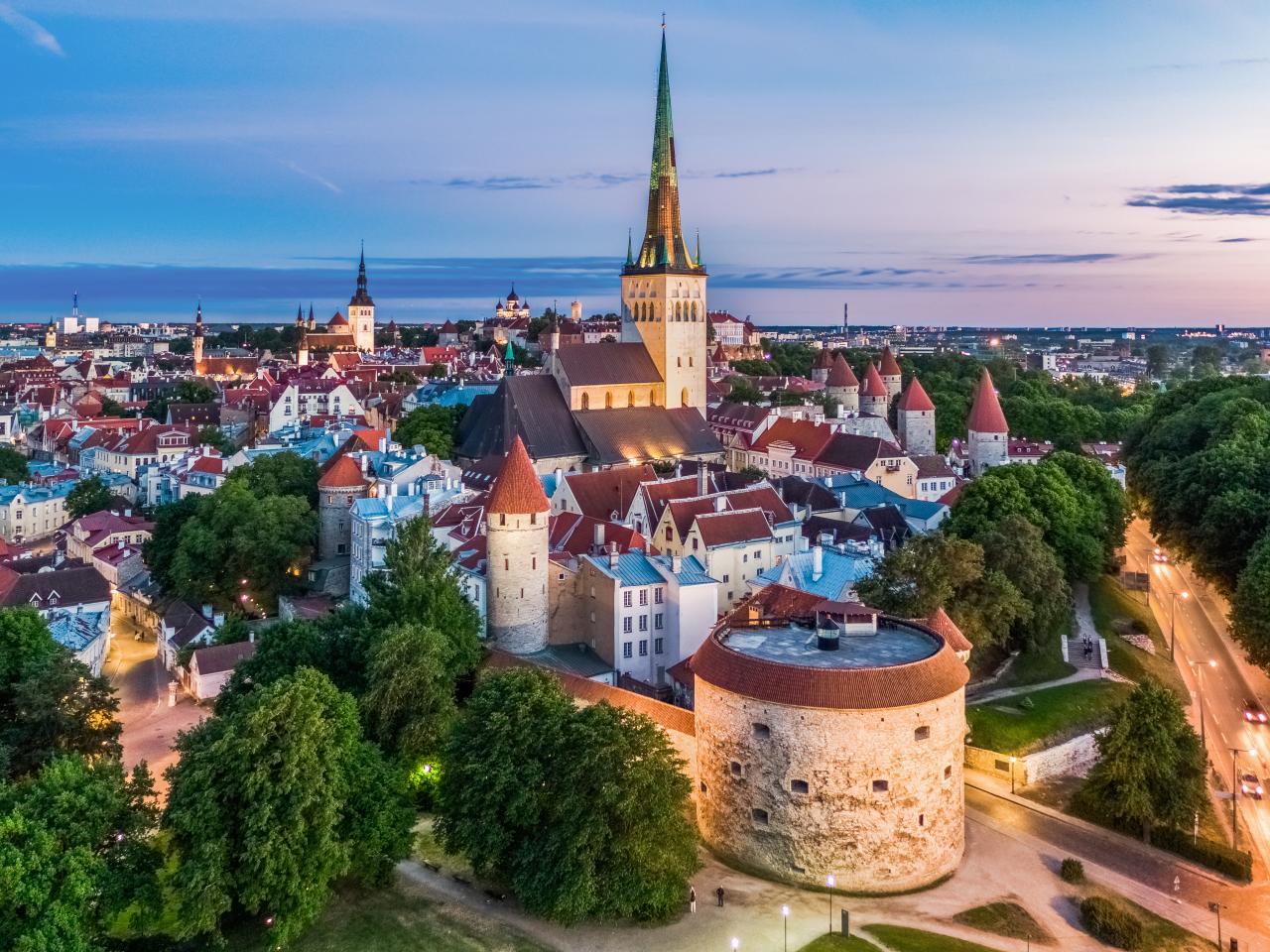
Swiss company Kuehne+Nagel employs over 80,000 people globally and generates over €29B in annual revenue as one of the world’s largest container and air logistics providers. Yet one of the pillars of this empire, perhaps surprisingly, stands in Tallinn, Estonia.
When Martin Kolbe first proposed moving hundreds of logistics jobs to Estonia 13 years ago, his colleagues were sceptical. The German executive, now Chief Information Officer, had to convince the board that this Baltic nation could handle sophisticated IT operations for one of the world’s largest freight companies, he told in a story for Estonian business daily Ärileht.
Today, as Kolbe prepares to retire in October after 20 years on Kuehne+Nagel’s executive board, his Estonian gamble has proven itself. The company’s Tallinn centre now employs nearly 500 highly paid workers from over 40 nationalities, making it one of the firm’s three most important IT hubs globally alongside Hamburg and Porto.
“When I enter your airport, I feel like I’m home,” Kolbe said in an interview with Ärileht.
Kuehne+Nagel’s Estonian expansion began after failed attempts in India and China. The company needed to find skilled developers outside expensive Hamburg to fuel rapid growth in digitising global supply chains. Estonia’s advanced digital infrastructure, low corruption, and cultural compatibility with Germany made it an attractive alternative.

“Estonia was far ahead of others in 2011,” Kolbe recalled. Estonian officials rolled out the red carpet, arranging meetings with ministers and the president. The government’s investment promotion agency connected Kuehne+Nagel with key technology leaders, including future digital transformation chief Taavi Kotka.
The timing proved fortuitous. Estonia offered salary savings of 20-30% across all levels compared to Germany, though that gap has largely disappeared as the country’s tech sector matured. Kolbe says the company now pays Estonian workers similarly to their Hamburg counterparts. The Estonian operation develops global tools used throughout Kuehne+Nagel’s network, handling everything from new software modules to database management. If Hamburg’s systems fail, Tallinn can take over operations, and vice versa.
“We came here to stay,” Kolbe emphasised. As he prepares to retire, the story of their Estonian office continues.